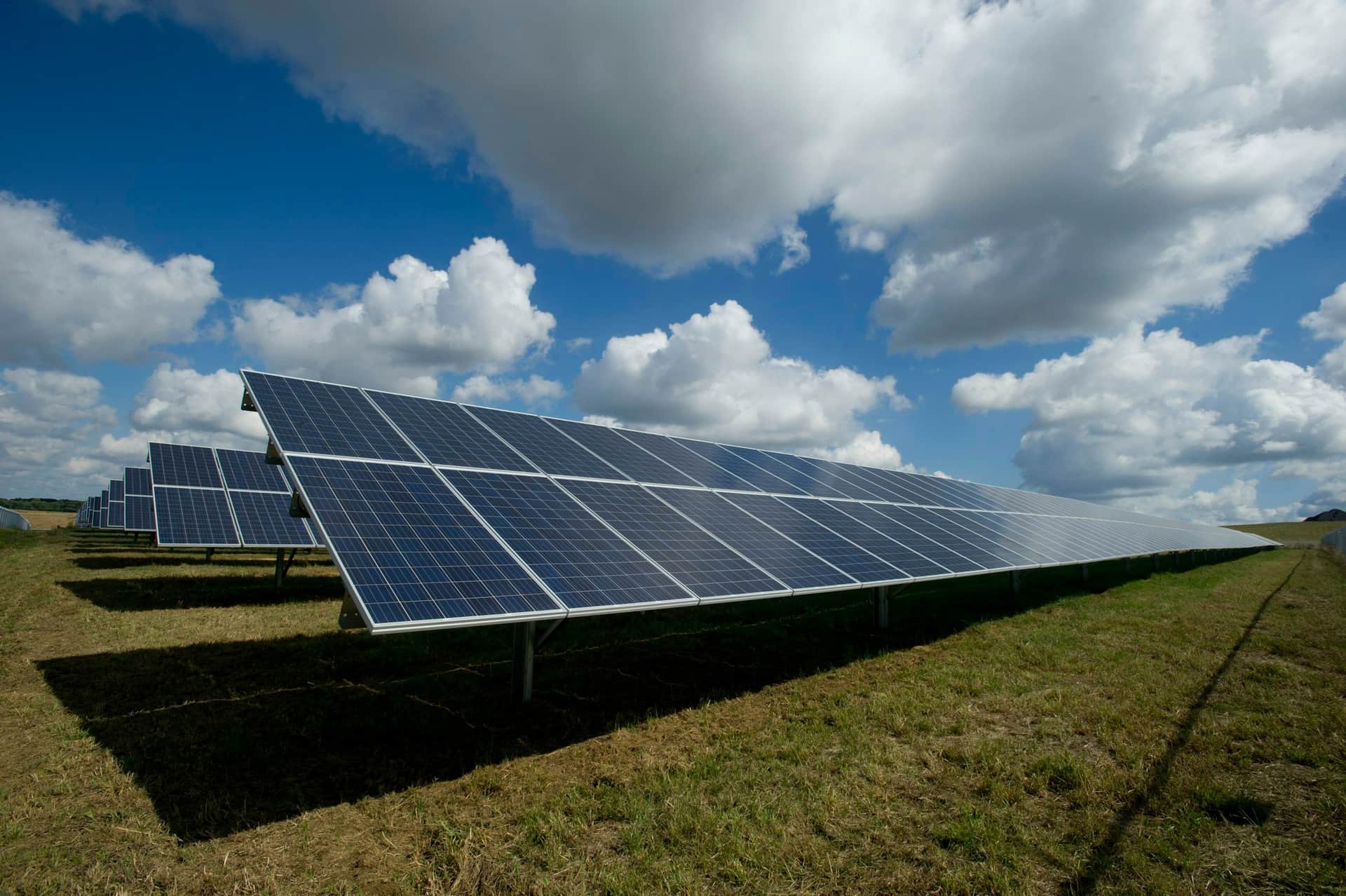
Solar panel installation
Solar designed around how your property uses power
Commercial and residential solar panel installation across Sydney, the Central Coast and Newcastle — assessed carefully, designed properly and installed by an experienced electrical team.
Tell us about your property, electricity use and goals. We will review the details and recommend the next sensible step.
A solar system should make commercial sense
The right solar installation is not simply the largest number of panels that will fit on a roof. It should reflect when your property uses electricity, how much usable roof space is available, the condition of the electrical infrastructure and what you want the system to achieve.
Sunny Renewables designs solar systems for businesses, commercial property owners and households across NSW. We start with the practical details: recent electricity bills, daytime load, roof orientation, shading, access, switchboard condition, network requirements and the possibility of future electrification or storage.
That work gives you a system designed for the site in front of us — not a generic package built around a sales target.
For independent background before you compare proposals, the Australian Government's solar guide for businesses explains the main cost, sizing and design considerations.
Commercial solar panel installation
For many businesses, the strongest solar opportunity comes from using a meaningful share of the generated electricity on site during the day. Warehouses, workshops, offices, retail premises, strata buildings and other commercial properties can all have very different load profiles, so the design needs to begin with operating data rather than assumptions.
Our commercial solar assessment can consider:
- interval or bill data and the timing of electricity demand
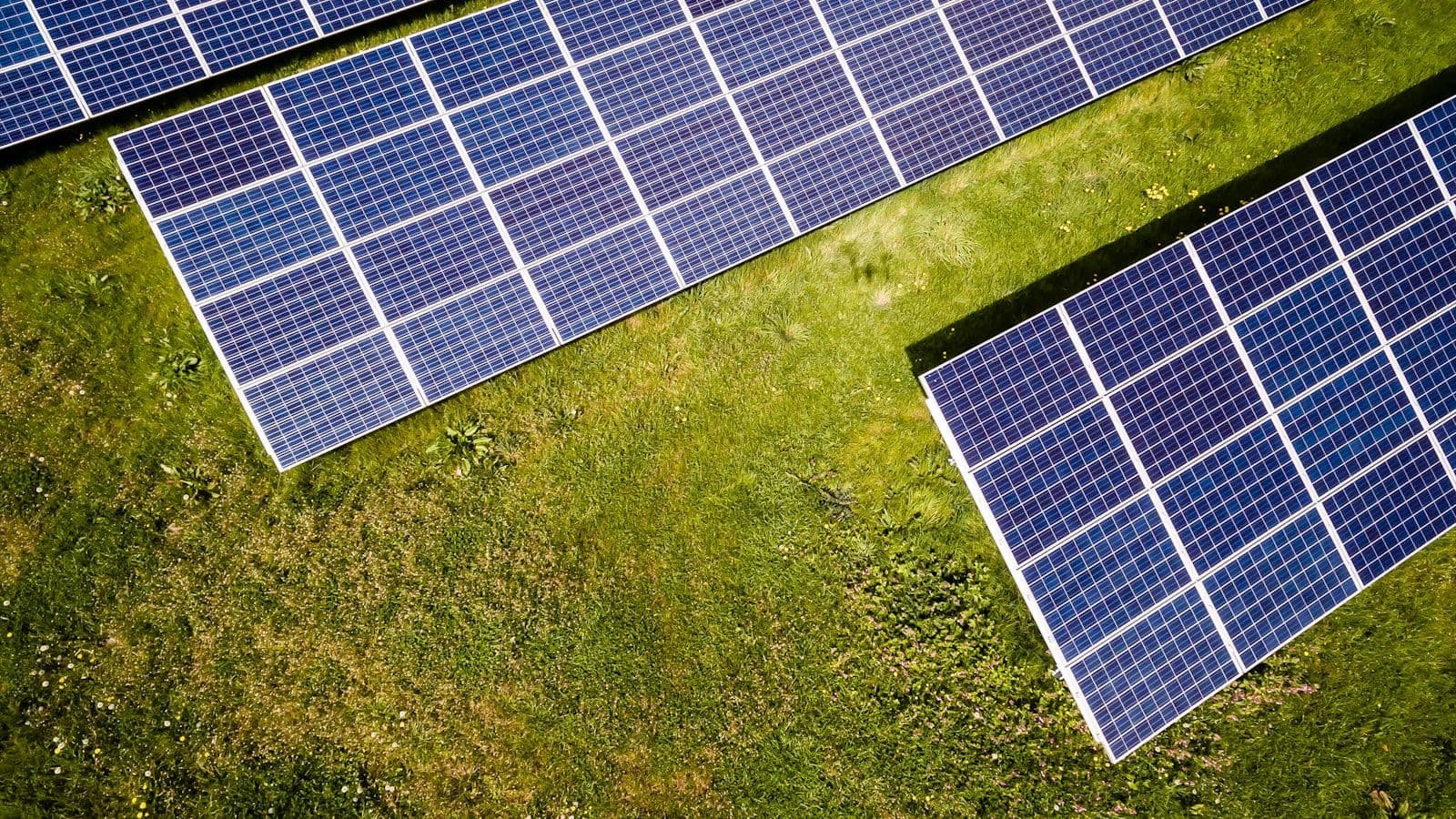
- available roof area, orientation, shading and structural constraints
- existing switchboards, metering and electrical capacity
- likely self-consumption and export limitations
- network applications and site-specific approval requirements
- planned equipment, fleet charging or operational growth
- whether adding storage now or later is technically and commercially sensible
- installation access, shutdown requirements and disruption to normal operations
The goal is a clear proposal that explains what is being recommended, why it suits the site and what assumptions the design relies on.
Residential solar installation
For homeowners, a good solar design begins with the same fundamentals: when the household uses electricity, the usable roof area, the property's electrical condition and how energy needs may change over time.
That may include future air conditioning, electric hot water, pool equipment, an electric vehicle or a battery. Planning for those changes early can help avoid selecting a system that suits today's bill but not tomorrow's home.
If evening use is significant, or you want to retain more of the energy produced during the day, explore our battery storage installation service. If both technologies are being planned together, our solar and battery systems are designed as one coordinated solution.
What we assess before recommending a system
Electricity use
We review the amount of electricity used and, where data is available, when it is used. For commercial properties in particular, timing can be as important as total consumption.
Roof and site conditions
Orientation, shade, roof material, access, available area and existing equipment all influence the layout and installation method.
Electrical infrastructure
The switchboard, metering, phases, cable routes and connection arrangement may affect the design or reveal enabling work that should be addressed first.
Equipment selection
Panels, inverters, mounting and monitoring should be selected as a complete system. We consider compatibility, warranties, support and suitability for the site instead of treating individual components in isolation.
Approvals and incentives
Network requirements and incentive eligibility vary by system and customer. Available support should be treated as part of the assessment, not as a guaranteed headline discount. The Australian Government maintains an overview of solar rebates, subsidies and loan options.
Our solar installation process
- 01Initial assessment — You provide the installation address, recent electricity information, property type, roof details, timeframe and any relevant photos. For a business, we may also request interval data or information about operating hours and major loads.
- 02Site and energy review — We assess the available information and identify any technical, access or approval questions that need to be resolved. A site inspection may be required before the system can be finalised.
- 03System design and proposal — We prepare a site-specific recommendation covering the proposed system, equipment, layout, expected operating approach and relevant assumptions. Where applicable, the proposal also identifies enabling works or approval requirements.
- 04Approvals and scheduling — Required network or project approvals are progressed, equipment is confirmed and the installation is scheduled around site access and operational needs.
- 05Installation and commissioning — The system is installed, tested and commissioned. We then explain the monitoring and operating basics so you know how to check performance and who to contact if something does not look right.
Why Sunny Renewables
Sunny Renewables was formed by Mitch and Dylan, bringing together more than 20 years of combined electrical and solar experience. That electrical foundation matters: a solar system is part of the property's wider power infrastructure, not a standalone product attached to the roof.
Our approach is built around:
- site-specific design rather than one-size-fits-all packages
- clear explanations and practical recommendations
- quality equipment selected for the application
- attention to switchboards, metering and the wider electrical system
- planning for future loads, expansion and battery readiness
- professional installation and straightforward communication
We will recommend solar when the site, usage and objectives support it — and explain the constraints when they do not.
Solar installation across Sydney, the Central Coast and Newcastle
Sunny Renewables works with commercial and residential properties throughout Sydney, the Central Coast and Newcastle. Our Tuggerah base positions the team to service metropolitan, coastal and Lower Hunter projects while maintaining a practical, site-led approach.
The installation address, network area, access and project scale all influence what is required. We confirm serviceability as part of the initial assessment.
When you are ready to begin, use our online estimate form to share the property details.
FAQ
Frequently asked questions
How do you determine the right solar system size?
We consider electricity consumption, the timing of that consumption, usable roof area, shading, network limitations, budget and expected future loads. For businesses, interval data can provide a much clearer picture than a single bill total.
Can solar be installed on a commercial property with limited roof space?
Possibly. The useful question is not only how much roof exists, but how much is structurally and practically usable after allowing for shade, access, setbacks, existing plant and the desired energy outcome. A site assessment is the right starting point.
Will solar eliminate my electricity bill?
Not necessarily. The result depends on system size, electricity use, tariffs, exports, seasonal generation and other site-specific factors. We do not promise a zero bill; we assess how solar may change the way the property buys and uses electricity.
Can I add a battery later?
Often, yes, but compatibility and future expansion should be considered during the initial solar design. If storage is a likely next step, tell us early so the proposed architecture can account for it.
Do you install solar for both businesses and homes?
Yes. Sunny Renewables has a strong commercial focus and also assesses suitable residential properties across our service region.
Are solar rebates available?
Eligible solar installations may receive support through certificate-based or other government programs. Eligibility, value and administration depend on the system and current rules, so any applicable support must be confirmed for the individual proposal.
Start with the site, the bill and the objective
Send us the key details and we will assess whether solar is a practical fit for your property. Use our online estimate form to share your address, electricity use, roof information, timeframe and supporting photos.