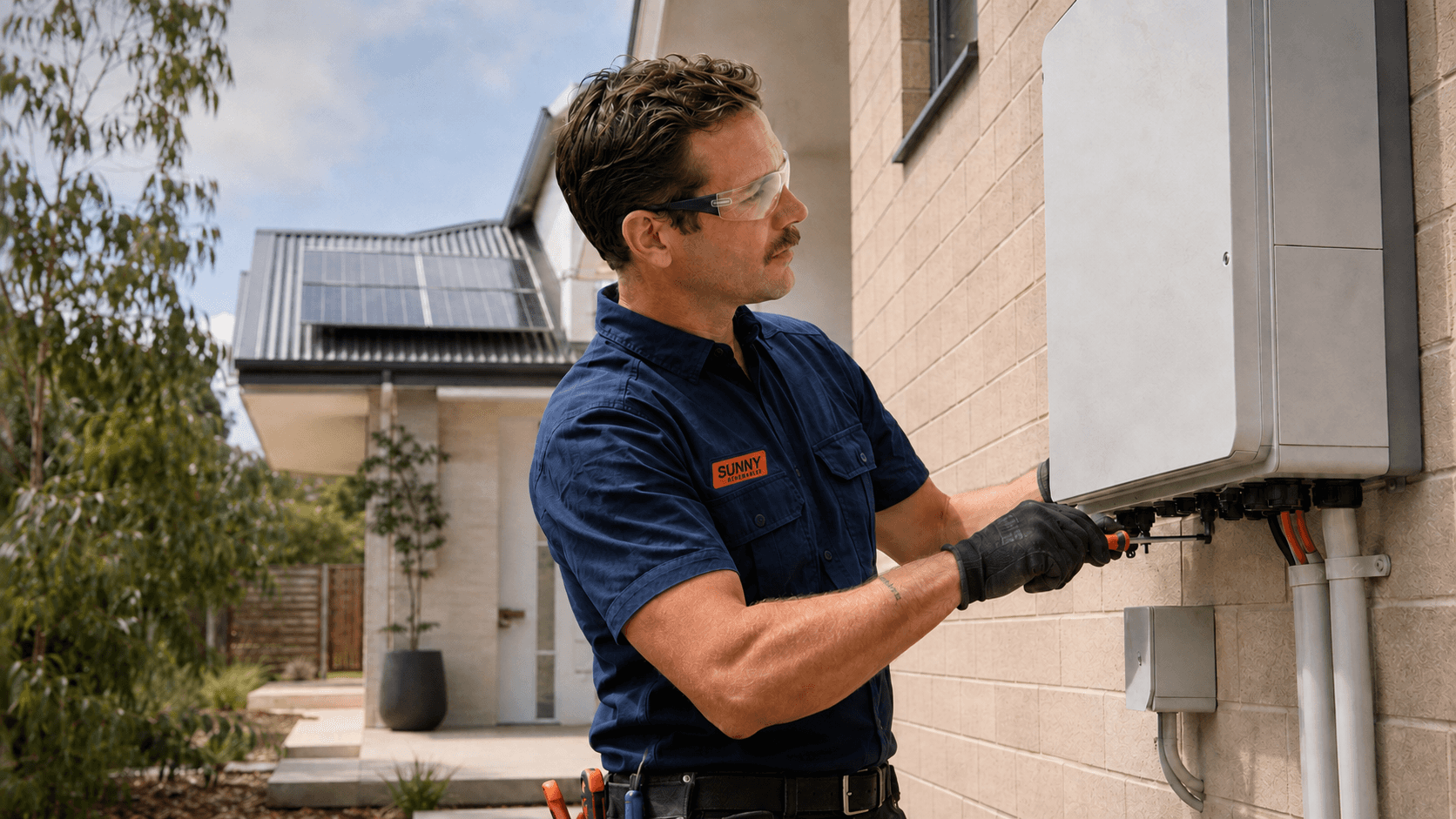
Battery storage
Store energy when it is available. Use it when it matters.
Commercial and residential battery storage designed around your solar generation, electricity use, tariffs, site constraints and operational priorities.
Already have solar? Send us your system details, recent bills and switchboard photos so we can assess compatibility and the next step.
Battery storage is a design decision, not just a product choice
A battery can store electricity for use later, but the value of that storage depends on how the whole site operates. Battery capacity, power output, control settings, solar production, tariffs, backup requirements and available installation space all affect whether a system is suitable.
Sunny Renewables installs battery storage for businesses, commercial properties and homes across Sydney, the Central Coast and Newcastle. We assess the battery as part of the wider electrical and energy system — including the existing solar installation where one is already in place.
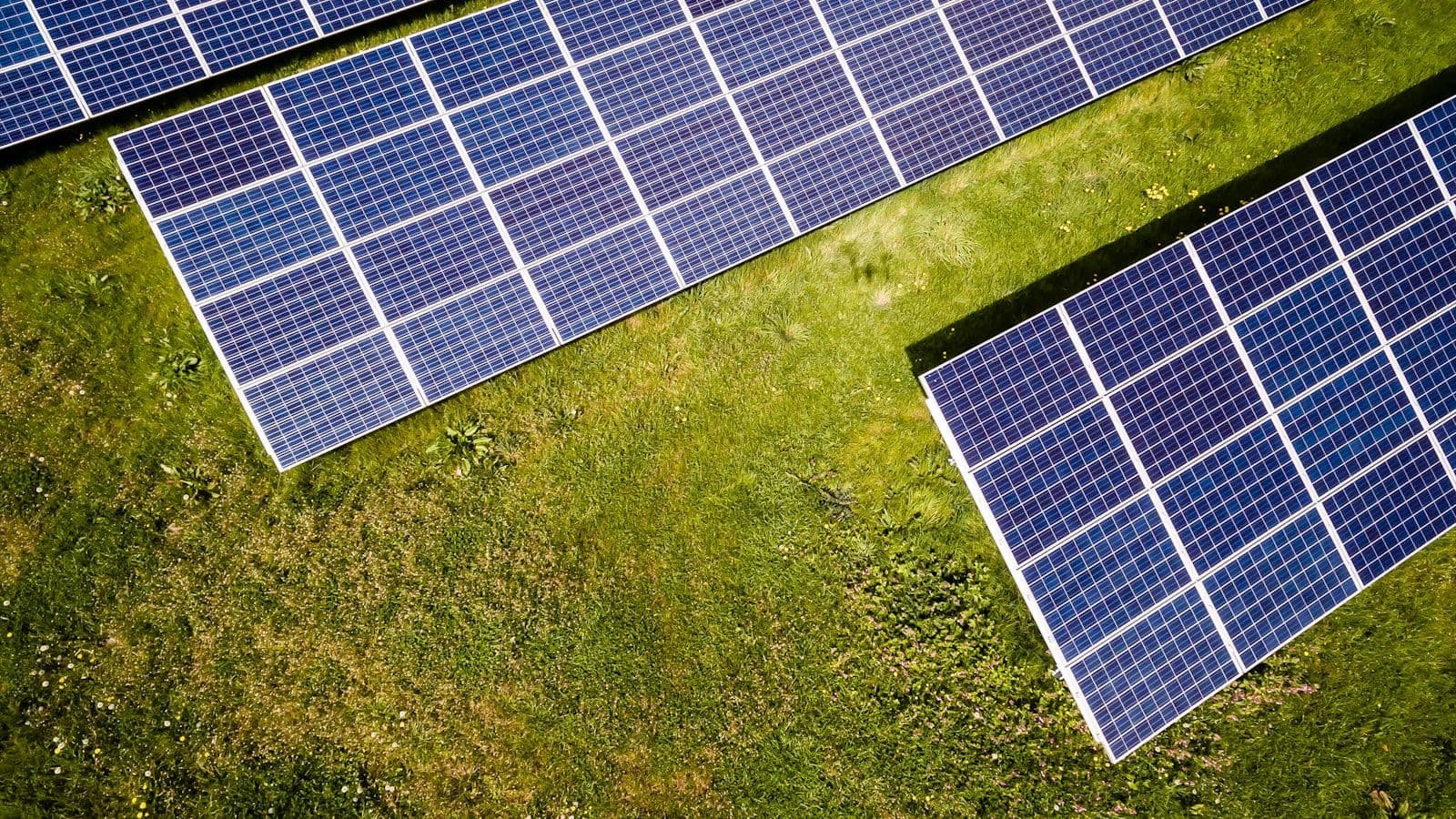
The Australian Government's overview of how solar batteries work is a useful independent starting point for understanding capacity, operation and common design considerations.
Commercial battery storage for NSW businesses
Commercial batteries can support different objectives depending on the site. A daytime business with a well-matched solar system may use storage differently from a facility with evening operations, demand charges, critical equipment or highly variable loads.
A commercial battery assessment can consider:
- solar generation and the amount currently exported
- half-hourly or interval consumption data
- peak demand and time-of-use tariff exposure
- daytime, evening and overnight loads
- critical circuits and the need for backup functionality
- battery power, usable capacity and discharge duration
- existing solar and inverter compatibility
- switchboard, metering, fire-safety and installation requirements
- future solar expansion, EV charging or operational growth
- current incentives and their technical eligibility rules
The purpose is to identify what the battery needs to do, then size and configure it around that job. A larger battery is not automatically a better investment.
Battery retrofits for existing solar
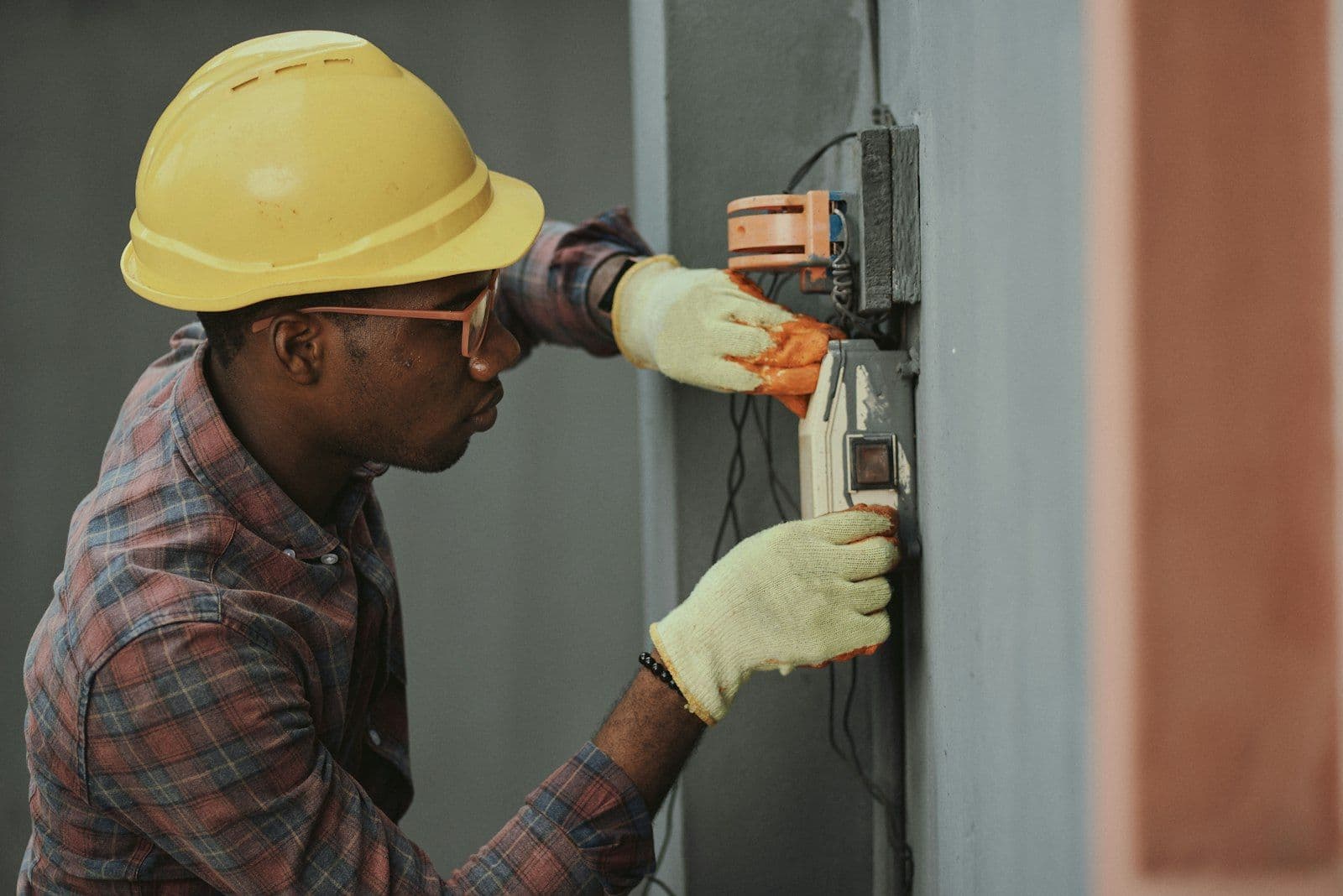
If solar is already installed, we begin by reviewing what is there. The age and size of the system, inverter type, available monitoring, switchboard condition, connection arrangement and current export behaviour can all affect the retrofit pathway.
We may request:
- the solar proposal or handover documents
- panel and inverter model details
- monitoring screenshots or generation data
- recent electricity bills or interval data
- photos of the inverter, meter and switchboard
- information about outages, critical loads or planned equipment
Where the existing solar system no longer matches the property's needs, adding panels or redesigning the generation and storage together may be more effective than treating the battery as an isolated upgrade. You can review our solar panel installation approach or explore a fully integrated solar and battery solution.
What a battery can be designed to do
Increase solar self-consumption
Store some of the electricity produced when solar output is high and use it later when the site would otherwise buy from the grid.
Shift electricity use
Depending on the tariff and control strategy, a battery may reduce grid consumption during more expensive periods. The design should be based on actual consumption and tariff data.
Manage business peaks
On suitable commercial sites, battery controls may help reduce short periods of high grid demand. This requires detailed load data and careful modelling; it should not be assumed from the annual bill alone.
Support selected loads during an outage
Backup is not automatic with every battery installation. If outage support matters, the required circuits, power demand, changeover arrangement and expected operating time need to be designed into the system.
Prepare for future electrical loads
Battery planning can account for future EV charging, electric equipment, business expansion or changes in the way a household uses power.
Our battery installation process

- 01Goals and data collection — We establish what you want the battery to achieve and collect the information needed to test that objective: bills, interval data, existing solar details, property information and relevant photos.
- 02Compatibility and site assessment — We review the solar system, inverter, switchboard, metering, battery location, cable routes, access, network requirements and any backup needs. A site inspection may be required.
- 03System sizing and proposal — We recommend a battery architecture and capacity based on the available evidence. The proposal explains the intended operating strategy, equipment, assumptions, inclusions and any enabling works.
- 04Incentive and approval checks — Where a current program may apply, eligibility is checked against the system, site and installation rules. Incentive values are indicative until confirmed through the relevant process and shown in the proposal.
- 05Installation, commissioning and handover — The battery is installed and commissioned, operating modes are configured and monitoring access is established. We explain how the system is intended to operate and what backup functionality is included, if any.
Current battery support programs
Federal and state programs may support eligible battery installations. The Australian Government's Cheaper Home Batteries Program currently supports eligible small-scale batteries connected to new or existing rooftop solar for households and small businesses. Program settings and certificate values can change, so eligibility and the actual discount must be confirmed when the project is quoted.
Sunny Renewables will only include an incentive in a proposal where the applicable requirements and delivery pathway have been confirmed.
Why Sunny Renewables
Sunny Renewables was formed by Mitch and Dylan, who bring more than 20 years of combined electrical and solar experience to the business. That background supports a whole-site approach to battery storage: generation, switchboards, loads, control systems and installation conditions are considered together.
Our approach is built around:
- evidence-led sizing based on how the site uses energy
- clear advice about compatibility, limitations and backup
- equipment selected for the intended application
- careful integration with existing solar and electrical infrastructure
- practical planning for future expansion
- professional installation and commissioning
The objective is not to sell the biggest battery. It is to define the right job for storage and design a system capable of doing it.
Battery installation across Sydney, the Central Coast and Newcastle
From our Tuggerah base, Sunny Renewables assesses commercial and residential battery projects across Sydney, the Central Coast and Newcastle. Serviceability depends on the installation address, access, project scale and technical requirements, and is confirmed during the initial review.
When you are ready, use our online estimate form to start the assessment.
FAQ
Frequently asked questions
Can you add a battery to my existing solar system?
Often, yes. The right retrofit pathway depends on the existing inverter, system age and size, switchboard, metering, monitoring and the battery's intended role. We review those details before recommending equipment.
How large should my battery be?
Battery size should reflect available charging energy, the loads you want to support, the timing of electricity use, tariffs, backup expectations and budget. Oversizing can leave paid-for capacity underused, while undersizing may not meet the objective.
Will a battery power the whole property during a blackout?
Only if the system is specifically designed and configured for that purpose, and even then its output and duration are limited. Many installations back up selected essential circuits rather than every load on the property.
Can a commercial battery reduce demand charges?
It may on suitable sites, but this requires interval data, an appropriate tariff and a control strategy designed around the site's demand peaks. It should be modelled rather than assumed.
Are battery rebates available in NSW?
Federal and NSW programs may support eligible battery installations. The available amount and rules vary by customer, battery size, equipment, commissioning date and program requirements. Current eligibility must be checked for the individual project.
Do I need solar to install a battery?
Not in every technical configuration, but solar can provide a direct on-site charging source and may affect the available incentive pathway. The correct answer depends on the site, tariff and objective.
Find out whether storage fits your site
Use our online estimate form to provide your address, current solar details, electricity information, timeframe and photos. We will review the information and let you know what is needed for a proper battery assessment.